

Takeoff in Minutes, Order in Days: How AI Estimating Changes Fastener Buying
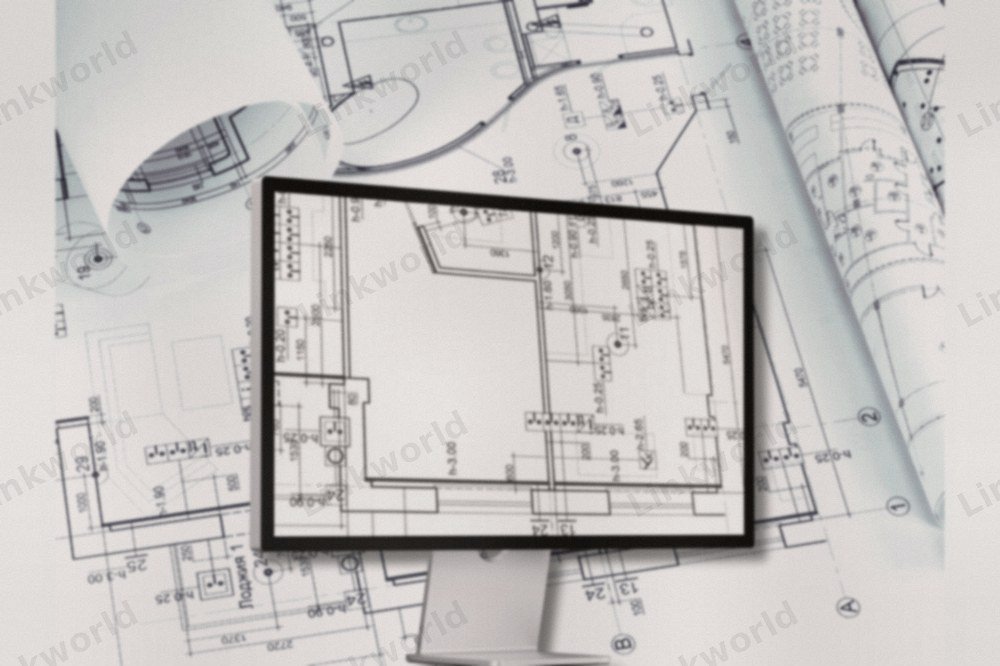
AI estimating fasteners means a quantity takeoff that used to take hours can now be ready in minutes. Then the buyer can place the fastener order that follows it in days rather than weeks. An estimator feeds a drawing into AI takeoff software, which counts and measures the components on the page. The result is a list of quantities that the estimator checks and prices. For fastener buyers, the change is a faster, more frequent cycle of measuring, pricing, revising and ordering. It is not a new type of bolt.
The evidence documents speed, not accuracy. Measuring a plan page by hand takes 45 to 90 minutes. AI takeoff software works through the same page in seconds or minutes. No independent accuracy benchmark for AI estimating exists. One AI takeoff vendor claims up to 98 percent accuracy on clean drawings. However, that figure is a vendor claim, not an independently verified result.
Key points
- AI takeoff software measures a drawing in minutes. A manual takeoff takes 45 to 90 minutes per plan page.
- One vendor claims up to 98 percent accuracy on clean drawings, with no independent benchmark to support the figure.
- However, accuracy falls on messy, non-standard or heavily revised drawings. A senior estimator should still validate the high-value assemblies.
- Faster takeoffs mean more frequent, smaller and more precise fastener orders, and more bid revisions. Suppliers need to re-quote revised quantities quickly.
- The risk at the end of a job is the short: a handful of missing sizes that can hold up handover. Check the takeoff, then check the order against it.
- AI estimating fasteners does not buy fasteners on its own. No autonomous fastener purchasing is in production.
What does AI estimating actually do?
AI estimating starts with a drawing, usually a PDF or a CAD file. The software reads the page. It then detects the parts on it, measures lengths and areas, and sorts what it finds into a list of quantities. The estimator then reviews the list, corrects what the software missed or miscounted, and prices the result. The software counts what the drawing shows. But it does not decide if a connection is adequate or if a fixing suits the exposure. Those decisions stay with the estimator, the engineer of record and the project spec.
Adoption is still early. In a July 2026 survey of 750 US tech decision makers in architecture, engineering and construction, 28 percent of firms had AI in production. A separate industry outlook found that 23 percent of firms use AI in estimating. That is behind office and admin work at 45 percent.
How fast is AI estimating?
One AI takeoff vendor reports that its customers cut takeoff time by 80 percent. For example, in one mid-size contractor case, the takeoff for a project fell from 28 hours to 11 hours after the firm started using the software. Vendors report those figures, and they describe time, not accuracy. Another vendor claims its tool works up to 95 percent faster. It also lets a firm submit two to three more bids a month. That is a vendor speed claim, not an accuracy claim.
The same contractor case shows the limit of speed. After the takeoff fell from 28 hours to 11 hours, the team still lost bids to under-pricing early on. Faster measuring did not fix pricing judgement. Speed gives an estimator more time to price carefully, but the pricing decision stays with the estimator.
How AI estimating fasteners changes buying
When a takeoff takes minutes instead of hours, an estimator can run it more often. The estimator can also measure a revised drawing the same day. For fastener buying, that changes the shape of the order in three ways.
First, orders become more frequent and more precise. Instead of one large order based on a single early takeoff, a buyer can order against the current revision. Then order again when the next revision lands.
Second, bid revisions become routine. A contractor who can re-measure a job in minutes can re-price it in hours. The fastener supplier is part of that cycle. A revised takeoff needs a revised quote. The supplier who turns a revised quantity list around quickly is the supplier who stays in the bid.
Third, the takeoff exposes the small quantities. A model or an AI takeoff counts every anchor and bolt in the drawing. That includes the handful of sizes that a manual count might have missed or grouped under a single line. Those small quantities are the ones that stop work when they are missing.
Buying also moves from the site shed to the planning desk. Quantities come from a model or a takeoff file, and deliveries follow the construction sequence. Linkworld Fasteners supplies standard and custom fasteners to distributors and builders in Australia and New Zealand, made to drawing or sample. The firm has 18 years of fastener export experience.
Manual takeoff vs AI-assisted takeoff
| Step | Manual takeoff | AI-assisted takeoff |
|---|---|---|
| Measuring a plan page | 45 to 90 minutes per page, by hand | Seconds or minutes per page, by software |
| Revising after a drawing change | Re-measure the affected pages, which takes hours | Re-run the takeoff, which takes minutes, then check the changes |
| Accuracy | Depends on the estimator, and the check is the estimator re-reading the drawing | Not independently benchmarked; one vendor claims up to 98 percent on clean drawings |
| Who places the order | The buyer | The buyer; no autonomous fastener purchasing is in production |
How do you check AI estimating before you order?
Treat an AI takeoff as a draft. The realistic pattern is a hybrid workflow. The software produces the first pass. Then a senior estimator checks the high-value assemblies before the estimator prices or orders anything. AI estimating fasteners needs that human check most on messy, non-standard or heavily revised drawings, where accuracy drops.
Start with the drawing itself. Confirm that the file the software read is the current revision. A takeoff from a superseded revision is precise about the wrong building. Then check the quantities that carry the most cost and the most risk. Check the structural connections, the anchor quantities, and any size that appears only a few times. A count of symbols will not always pick up a note that changes a fixing type.
Ask the supplier to check the order as well. A supplier who sees fastener orders every day can spot a quantity that looks wrong for the job. That check is a second pair of eyes on a list the software produced in minutes. For a related read, see the guide to checking thread fit before production. It covers one of the checks to run before you confirm an order.
What should a revised takeoff mean for your order?
So a revised takeoff should produce a revised order. The buyer should compare the two line by line. When the drawing changes, some sizes increase, some decrease, and some disappear while new ones appear. The order needs to reflect each change.
Send the supplier the revised quantity list, not just the new total. A supplier who receives the full revised list can see which sizes changed and by how much. It can quote the revision as a whole. Include the drawing revision number with the list. The supplier is then quoting against the same revision the estimator measured. Ask for the revised quote in the same form as the first one. You can compare the two quotes directly. That comparison is the record of what the drawing change actually cost. Plan the delivery around the revision as well. Staged shipments under agreed order conditions can split a delivery. The fasteners for the current stage arrive first.
What should a revised fastener order list?
A revised order is only as good as the information in it. The table below lists what each line of a fastener order should state. The supplier can quote it, make it and pack it without guessing.
| Order line | What to state |
|---|---|
| Size and length | Diameter, length and thread, as shown on the drawing |
| Grade and standard | Grade and product standard, for example a structural bolt grade or a screw standard |
| Coating and finish | Coating type and finish, matched to the exposure of the site |
| Quantity | Quantity per size, from the current takeoff revision |
| Drawing revision | Drawing number and revision, so the quote matches the takeoff |
| Packing | Bulk cartons or own-brand boxes, buckets and small packs |
Other sizes and finishes can be made to drawing or sample.
How do you avoid shorts at the end of a job?
A short is a handful of missing fasteners at the end of a job. It is usually a size the buyer never ordered or ordered in too small a quantity. A takeoff that counts every anchor and bolt exposes the small quantities that a manual count hides. That is how AI estimating helps prevent shorts.
The cost of a short is out of proportion to the value of the missing fasteners. For example, on large data-centre builds, steel lead times had stretched to 55 weeks. The fastener pinch points were the full take-off at the start and the shorts at the end. A handful of missing sizes could hold up handover of the whole building.
Preventing shorts starts with the takeoff. Compare the order against the takeoff line by line before you place it. Then compare the delivery against the order when it arrives. A size that is on the takeoff and not on the order is a short waiting to happen. Order the small quantities with the same care as the large ones. A size that appears only ten times on a drawing still needs ten pieces on site. Ordering it as part of the main order costs nothing extra. Ordering it later costs time, freight and a delay to the work.
Keep a record of what the supplier delivered against what you ordered. On large projects, buyers commonly ask for material test reports and lot traceability with each shipment. That paperwork also shows which sizes are still outstanding. A delivery docket checked against the order shows what is missing.
What stays the same?
AI estimating fasteners speeds up the takeoff. It does not change who is responsible for the result. The estimator still prices the job. The engineer of record still decides the connection. The project spec still sets the grade, the coating and the dimensions.
Buying has not become automatic either. No evidence of autonomous fastener purchasing in production exists. An order still needs a buyer to place it and a supplier to confirm it. Finally, someone still needs to check the delivery against it. A fastener still needs to suit the application, the exposure and the project spec. The buyer also still needs the paperwork that shows it does. For custom work, the guide to standard vs custom fasteners explains when a standard item will do. It also explains when you need a drawing or a sample.
FAQ
Does AI estimating mean I can order fasteners straight from the takeoff?
No. A takeoff is a quantity list, not an order. It needs a check by an estimator first. Ordering straight from an unchecked takeoff repeats any error the software made.
How accurate is AI estimating fasteners?
There is no independent accuracy benchmark for AI estimating, so no verified accuracy figure exists. One AI takeoff vendor claims up to 98 percent accuracy on clean drawings. That is a vendor claim, not an independently verified result.
What happens when the takeoff changes after I have ordered?
Send the supplier the revised quantity list with the new drawing revision number, and ask for a revised quote in the same form as the first one. Compare the two quotes line by line. Plan the delivery around the construction sequence.
What is a short, and why does it hold up handover?
A short is a handful of missing fasteners at the end of a job, usually a size the buyer never ordered or ordered in too small a quantity. It holds up handover because the crew cannot finish the work without those fasteners, even when 95 percent of the order is on site. A takeoff that counts every anchor and bolt exposes the small quantities before the buyer places the order.
What should I send a supplier with a revised takeoff?
Send the full revised quantity list with size, grade, coating and quantity per line, the drawing number and revision, the packing required, and any paperwork the project asks for. For non-standard items, send the drawing or a sample. The guide to choosing the correct bolt length covers one of the details to settle before you place the order.
What to send with your enquiry
Send the drawing or the takeoff file with the current revision number. Also send the quantity list with size, grade, coating and quantity per line, and the paperwork the project asks for. For non-standard fasteners, send the drawing or a sample. Linkworld will confirm the sizes, the material and the packing before production.
Send an Enquiry
Send a drawing, sample or clear reference photo. Add the quantity and application if available, and we can start from the information you already have.