
Hex Flange Bolts vs Hex Bolts with Washers: Selection Guide
Hex flange bolt vs hex bolt is a choice that comes up on steelwork, timber framing and machinery jobs. The two bolts look alike until you look at the head. A hex flange bolt has a wide flange built into the head, like a washer that cannot fall off. A hex bolt has a plain hex head, and needs a separate washer if you must protect or spread the bearing surface. For a soft or thin surface, or where a washer might be left out on site, a hex flange bolt is often the simpler choice. For a connection where you must choose the washer size, thickness or material separately, a hex bolt with a washer gives more control. This hex flange bolt vs hex bolt guide explains how each bolt works, when to use it, and what to specify when ordering.
What Is a Hex Flange Bolt?
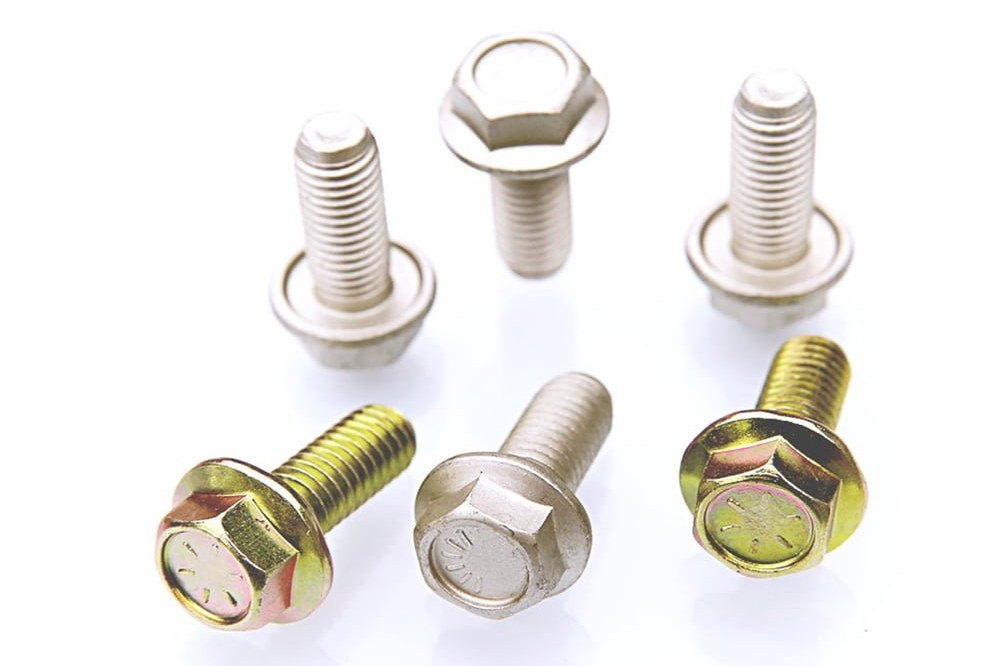
A hex flange bolt has a hex head with a wide, flat flange underneath it. The flange is part of the bolt, so you cannot forget it, drop it or fit it the wrong way round. The flange spreads the clamping force over a larger area than a plain hex head. That helps on soft materials, thin plate and timber, where a small head could pull into the surface.
Use hex flange bolts on steelwork, machinery, vehicle assembly and timber framing, where you need to tighten a bolt quickly and keep the washer in place. The flange is built in, so the installer does not need to handle a separate washer. The installer can fit the bolt with one hand on the head and one hand on the nut. That saves time on jobs with many bolts, and it removes one part from the parts list.
Linkworld supplies hex flange bolts in carbon steel and stainless steel, with plain, zinc plated or hot-dip galvanised finishes. The flange size and the thread size must suit the application. The length must cover the material thickness, the washer if you use one on the nut side, and the nut, with a few threads spare. Send a drawing or sample, and state the material, the finish and the environment, so we can review the bolt before production.
What Is a Hex Bolt with a Washer?
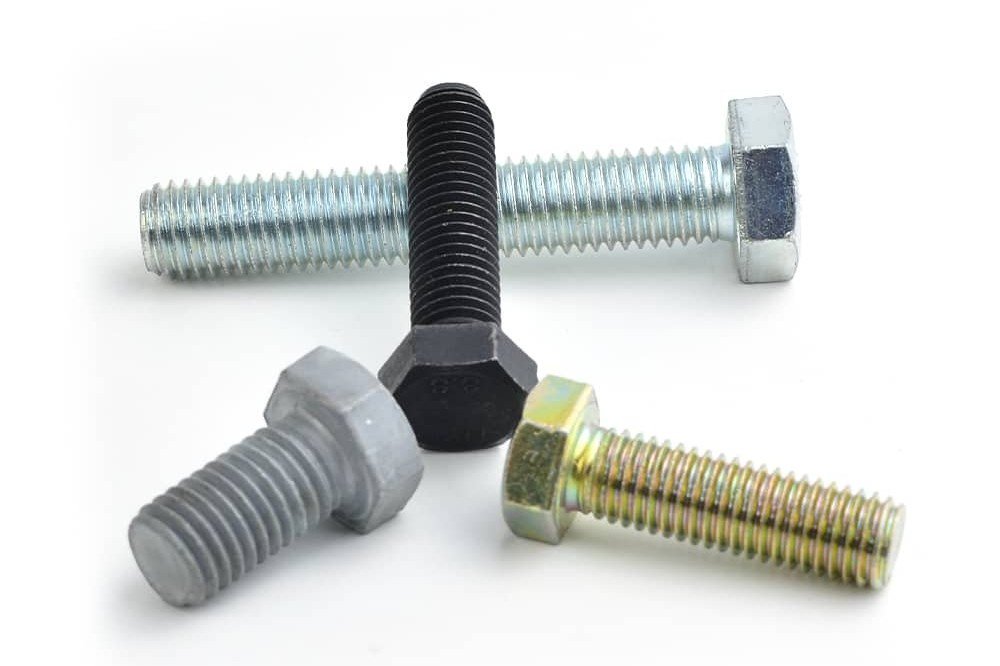
A hex bolt has a plain hex head with no flange. It is the most common bolt head shape. Use it with a separate washer when the bearing surface needs protection or when you need to spread the clamping force. The washer sits under the head, and another washer can sit under the nut. You can choose the washer size, thickness and material for the job, which gives more control than a fixed flange.
Use hex bolts with washers on structural steel, timber framing, machinery and general engineering, where you need to check the connection and replace the parts separately. If you find a damaged washer, replace it without replacing the bolt. If the bearing surface changes, use a larger or thicker washer. That flexibility matters on jobs where the material thickness or the surface condition varies.
Linkworld supplies hex bolts in carbon steel and stainless steel, with plain, zinc plated or hot-dip galvanised finishes. The thread size, length and washer size must be specified together. For outdoor use, hot-dip galvanised is the usual finish. For coastal areas, stainless steel is the usual choice. Use nuts and washers in the same material and finish as the bolt.
Hex Flange Bolt vs Hex Bolt Compared
| Feature | Hex flange bolt | Hex bolt with washer |
|---|---|---|
| Head | Hex head with a wide flange built in | Plain hex head, no flange |
| Washer | Flange acts as the washer on the head side | Separate washer needed under the head |
| Bearing area | Fixed by the flange size | Chosen by the washer size |
| Parts to handle | Bolt and nut only | Bolt, washer and nut |
| Flexibility | Less, flange size is fixed | More, washer can be changed |
| Typical use | Steelwork, machinery, vehicle assembly, timber framing | Structural steel, timber framing, machinery, general engineering |
Other sizes and finishes can be made to drawing or sample.
When to Use a Hex Flange Bolt
In a hex flange bolt vs hex bolt choice, the bearing surface decides first. Use a hex flange bolt when the surface is soft, thin or easily marked, and the flange size suits the job. Timber, thin plate and painted steel are common cases. The flange spreads the force and protects the surface, and no one can leave it out by mistake.
Choose a hex flange bolt when you must fit many bolts quickly. The installer handles fewer parts, and there is no separate washer to drop or fit the wrong way round. That matters on vehicle assembly, machinery and steelwork, where you use the same bolt many times in a row.
Pick a hex flange bolt when someone will check the connection by eye. A missing washer is easy to miss on a hex bolt, but a missing flange is impossible, because the flange is part of the bolt.
On steelwork, the flange also helps where the plate is thin or the hole is slightly oversized. The wider bearing area covers the hole and spreads the force, so the bolt head is less likely to pull through. On timber, the flange protects the surface from the hex corners, which can dig into soft timber when you tighten the bolt. In both cases, check that the flange size suits the material and the hole size before ordering.
When to Use a Hex Bolt with a Washer
Use a hex bolt with a washer when you must choose the washer size, thickness or material for the job. That covers an uneven bearing surface, an oversized hole, or a job where you need a thicker washer to spread the force. You can change a separate washer without changing the bolt.
Choose a hex bolt with a washer when you may need to replace the washer. If a washer comes back damaged or corroded, replace it on its own. With a flange bolt, you must replace the whole bolt. That matters on structures that are inspected and maintained over time.
Pick a hex bolt with a washer when the connection must follow a project specification that names a washer type. Some specifications call for a flat washer, a spring washer or a large washer. List the washer separately. A flange bolt does not meet a specification that calls for a separate washer, so check the specification before ordering.
Finish, Material and Environment
Finish matters for both bolt types. Hot-dip galvanised bolts suit outdoor work. Stainless steel suits coastal areas and corrosive environments. Zinc plated bolts suit indoor work only. That rule applies to the nuts and washers as well. Use hot-dip galvanised nuts and washers with galvanised bolts, and stainless steel nuts and washers with stainless steel bolts.
For treated timber, state the treatment in the enquiry. Some treatments are more corrosive than others, and the finish must suit the treatment as well as the environment. For steelwork, state whether you will paint the bolt, leave it exposed or cover it. Follow the project specification for the exposure, and do not assume a finish from the material alone.
Linkworld has 18 years of fastener export experience, its own cold heading workshop, and its own inspection room and QC team, checking before every shipment. Linkworld can supply hex flange bolts and hex bolts made to your drawing or sample, in bulk cartons or your own branded packs.
Common Purchasing Mistakes
Ordering a hex flange bolt when the specification calls for a separate washer is a common mistake. Check the specification first. Ordering a hex bolt without washers is another mistake. A hex bolt on a soft surface without a washer can pull into the surface and lose clamping force. Order the washers with the bolts, in the same finish.
Mixing finishes is a third mistake. A zinc plated washer on a hot-dip galvanised bolt will not last as long as the bolt. A carbon steel washer on a stainless steel bolt can cause problems in a corrosive environment. Order nuts and washers in the same material and finish as the bolt. Finally, do not order by head shape alone. Give the thread size, length, material, finish and washer details, so we can make the bolt to the right specification. A short note on the enquiry, naming the surface and the hole size, helps the supplier check the flange or washer size before production.
What to Send with Your Enquiry
A hex flange bolt enquiry needs the thread size, length, material and finish, and whether you need a washer on the nut side. A hex bolt enquiry needs the thread size, length, material and finish, plus the washer size, thickness and material, and whether you need washers on both sides. Send a drawing or sample for either bolt if the size is not standard, and state the environment and the packing required.
Linkworld supplies hex flange bolts and hex bolts in carbon and stainless steel, in plain, zinc plated or hot-dip galvanised finishes. Send a drawing or sample for any other size and we will review it. Free warehouse storage and staged shipments are available, subject to the conditions agreed for each order. For custom fasteners made to drawing, send your drawing or sample through the enquiry form.
Frequently Asked Questions
What is the difference between a hex flange bolt and a hex bolt?
A hex flange bolt has a wide flange built into the head, like a washer that cannot fall off. A hex bolt has a plain hex head and needs a separate washer under the head.
Do I need a washer with a hex flange bolt?
Not on the head side, because the flange acts as the washer. You may still need a washer on the nut side, depending on the surface and the specification.
When should I use a hex bolt with a washer instead of a flange bolt?
When you must choose the washer size, thickness or material for the job, when you may need to replace the washer, or when the specification calls for a separate washer.
Can hex flange bolts be used on timber?
Yes. The flange spreads the clamping force and protects the timber surface. Choose the finish for the environment, and follow the project specification.
What finish should I choose for outdoor use?
Hot-dip galvanised suits outdoor work. Stainless steel suits coastal areas. Zinc plated bolts suit indoor work only. Use nuts and washers in the same finish as the bolt.
Send an Enquiry
Send a drawing, sample or clear reference photo. Add the quantity and application if available, and we can start from the information you already have.